Previous Matches
Henri Bergson
1859–1941
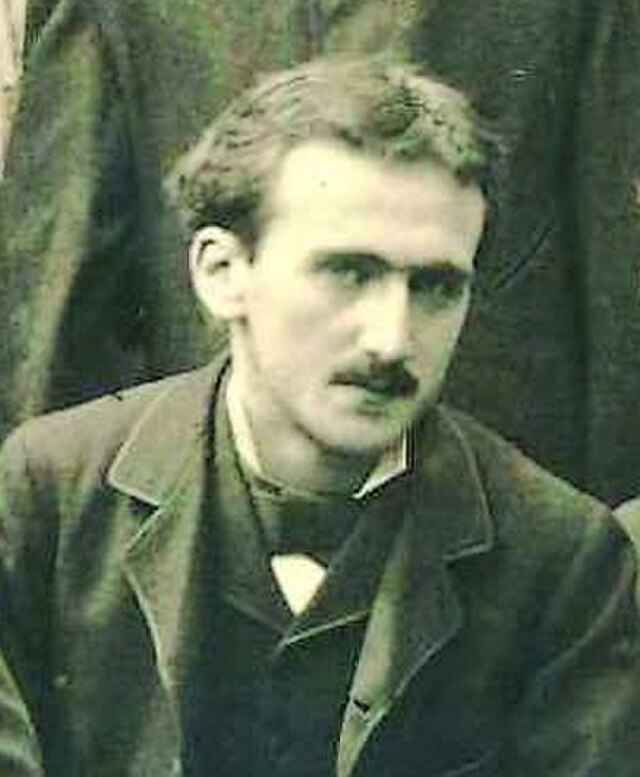
- Lived
- 1859–1941
- Place
- Paris
In the first paragraph
A French philosopher who taught at the Collège de France from 1900. Creative Evolution (1907) made him internationally famous, and he received the Nobel Prize in Literature in 1927. In the early twentieth century, he was the leading voice arguing that the intellect alone cannot grasp life.
Intellect: knowing by cutting up. For Bergson, the intellect evolved to help living things act, so it treats the world as separate, stable objects. He compares it to a film camera, which turns continuous movement into a series of still frames. The movement itself is never captured in any frame.
Intuition: knowing from within. In An Introduction to Metaphysics (1903), he describes intuition as the sympathy by which one enters into a thing “in order to coincide with what is unique in it.” Reading every description of a city is one kind of knowledge, and living there is another. Intuition is a disciplined effort to know in the second way.
Duration: time as it is lived. Bergson distinguishes clock time, which divides into equal units, from durée, the unbroken flow of lived experience. In a melody, each note is heard in connection with those before it. For Bergson, intuition is above all the grasp of this flow.
One root, two directions. In Creative Evolution, life is a single creative impulse, the élan vital, which branched in different directions. Instinct and intelligence developed along separate branches from that common source, and intuition is instinct that has become self-aware. It needs the intellect, because “there are things that intelligence alone is able to seek, but which, by itself, it will never find.”
Where they appear
1. Religion and philosophy · 3. Ghazali, Kant and the limits of thought · 6. The ideal and the real · 7. The Quran’s picture of the universe
Built by Umair Malik while studying Iqbal · Your Commentator