Reference
People
Everyone the guide introduces, with the pages where they appear.
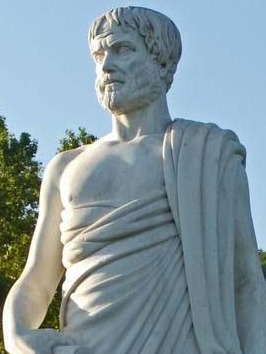
Plato’s student, whose works dominated philosophy in the medieval Islamic world.
Three Questions · Plato · Aristotle · Ghazali · Descartes · I. Sources of Knowledge · III. Ethical Conduct · 1. Religion and philosophy · 2. The search for rational foundations
Mirza Abdul Qadir Bedil (1644–1720)
A Persian-language poet of Mughal India, known for his difficult, philosophical style and widely read in Afghanistan and Central Asia.
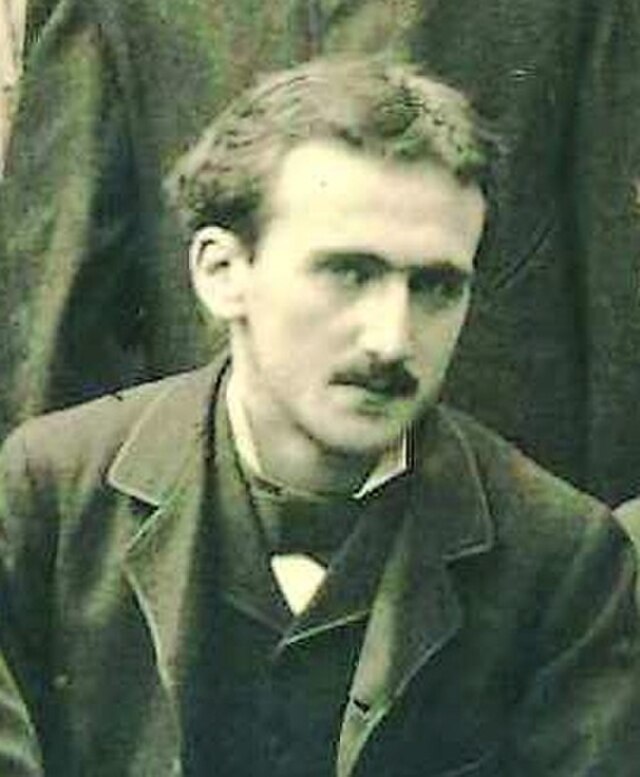
A French philosopher who taught at the Collège de France from 1900.
1. Religion and philosophy · 3. Ghazali, Kant and the limits of thought · 6. The ideal and the real · 7. The Quran’s picture of the universe
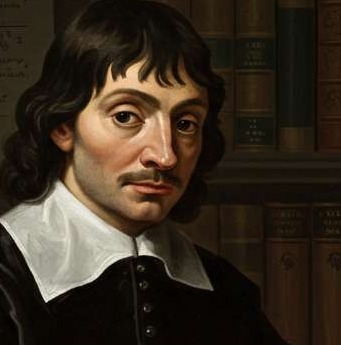
Johann Peter Eckermann (1792–1854)
Goethe’s assistant in his last years, who recorded his talk in Conversations with Goethe, the source of the remark on page 11.
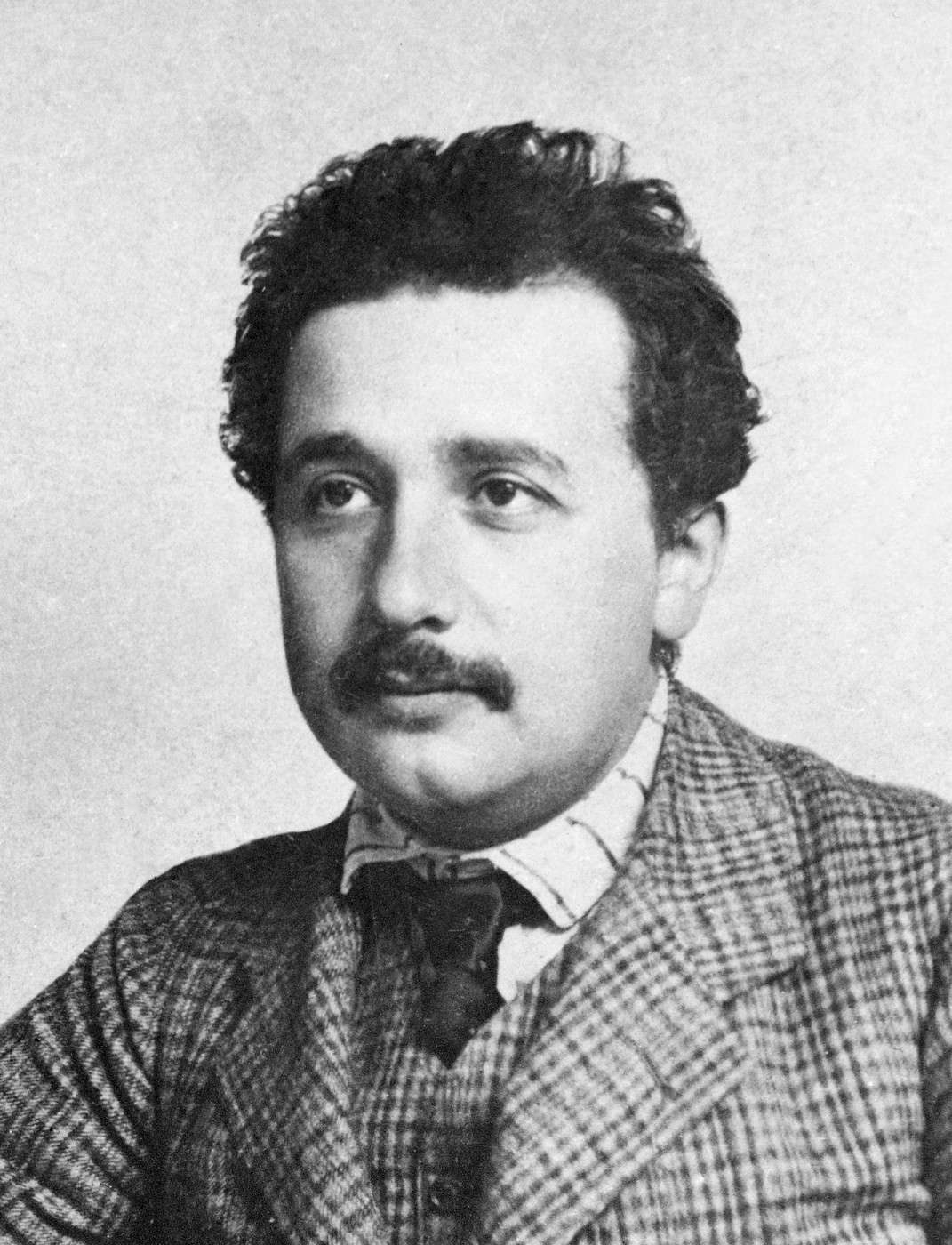
His theories of relativity (1905 and 1915) showed that measurements of space and time depend on the observer.
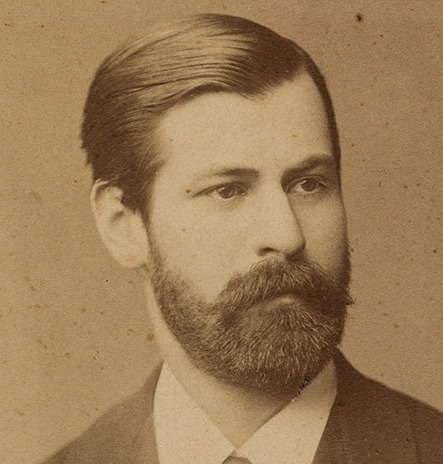
Austrian founder of psychoanalysis.
9. Psychology and the mystic state · 10. Religion and the sex-impulse
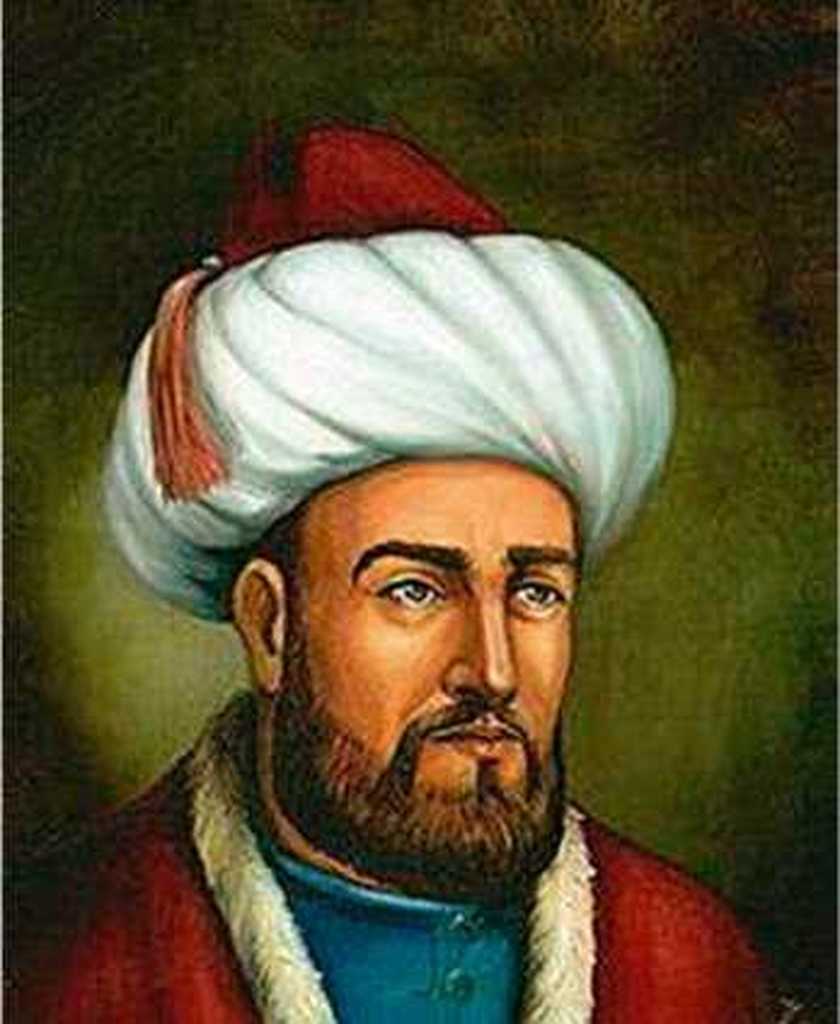
Born in Tus, in Persia, Ghazali headed the Nizamiyya college in Baghdad from 1091.
Three Questions · Ghazali · 2. The search for rational foundations · 3. Ghazali, Kant and the limits of thought · 5. The Quran’s purpose
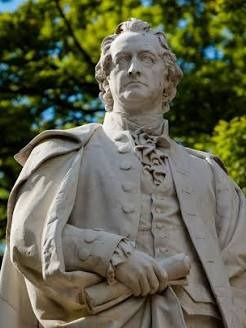
Johann Wolfgang von Goethe (1749–1832)
Germany’s greatest literary figure and the author of Faust.
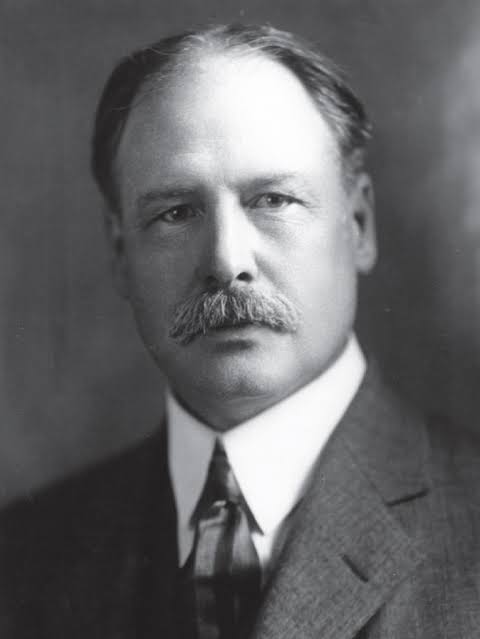
William Ernest Hocking (1873–1966)
American philosopher at Harvard and author of The Meaning of God in Human Experience (1912).
8. Inner experience as knowledge · 10. Religion and the sex-impulse
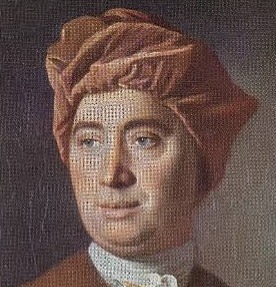
Scottish philosopher who pushed Locke’s method further.
Ghazali · III. Ethical Conduct · 3. Ghazali, Kant and the limits of thought · 10. Religion and the sex-impulse
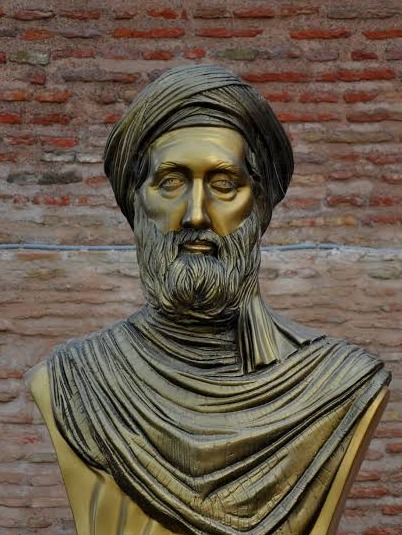
North African historian and author of the Muqaddimah.
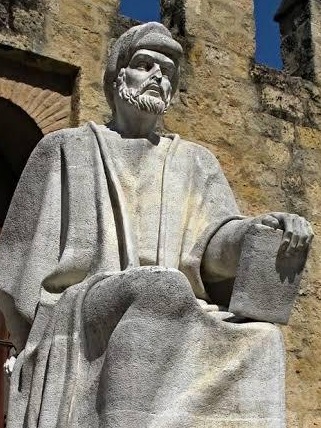
Ibn Rushd (Averroes, 1126–1198)
Born in Córdoba, in Muslim Spain, Ibn Rushd served as a judge and court physician and wrote commentaries on nearly all of Aristotle’s works.
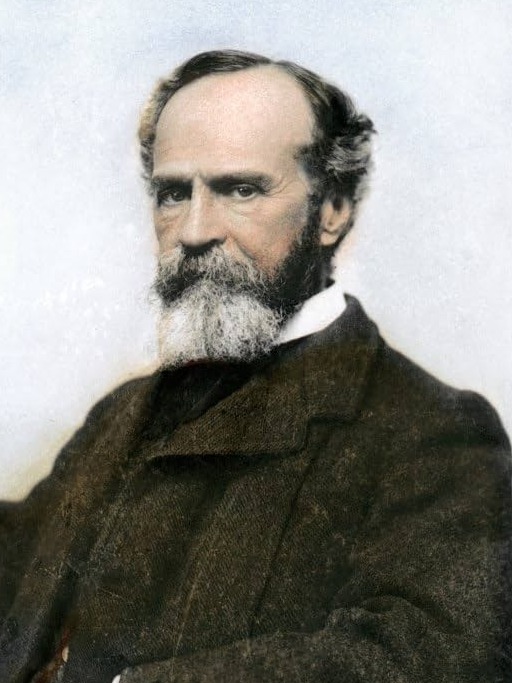
American philosopher and psychologist.
7. The Quran’s picture of the universe · 8. Inner experience as knowledge · 9. Psychology and the mystic state · 11. Two tests of truth
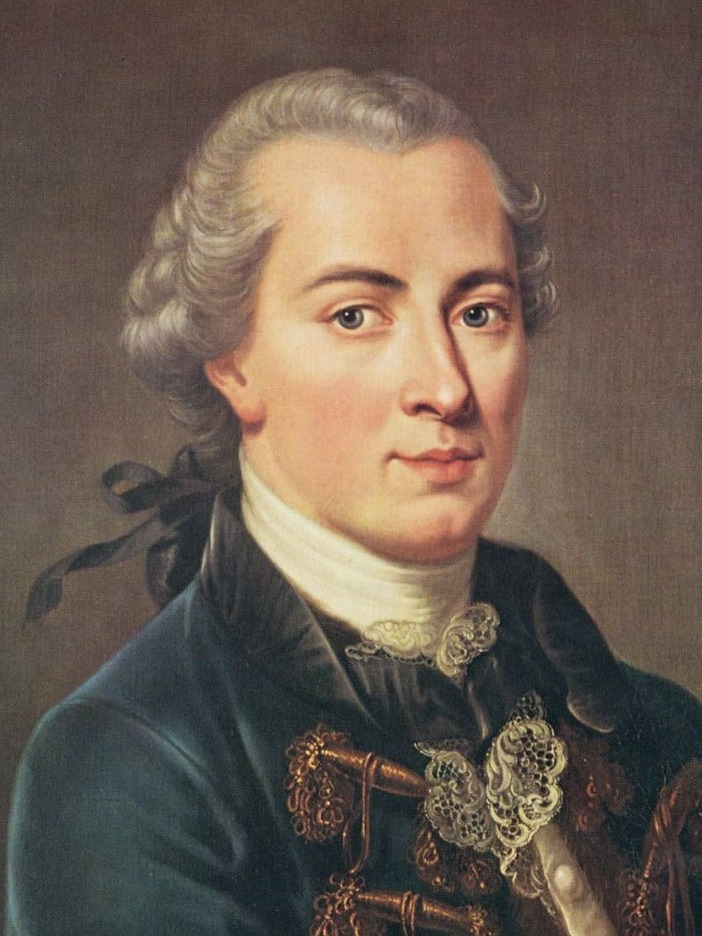
Kant spent his life in Königsberg, in Prussia.
Three Questions · Descartes · II. The Ontological Spectrum · III. Ethical Conduct · 1. Religion and philosophy · 3. Ghazali, Kant and the limits of thought · 4. Muslims and modern knowledge · 7. The Quran’s picture of the universe
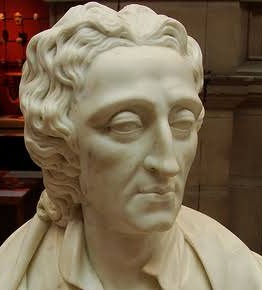
English philosopher and author of An Essay Concerning Human Understanding (1689).
Descartes · I. Sources of Knowledge · II. The Ontological Spectrum · 10. Religion and the sex-impulse
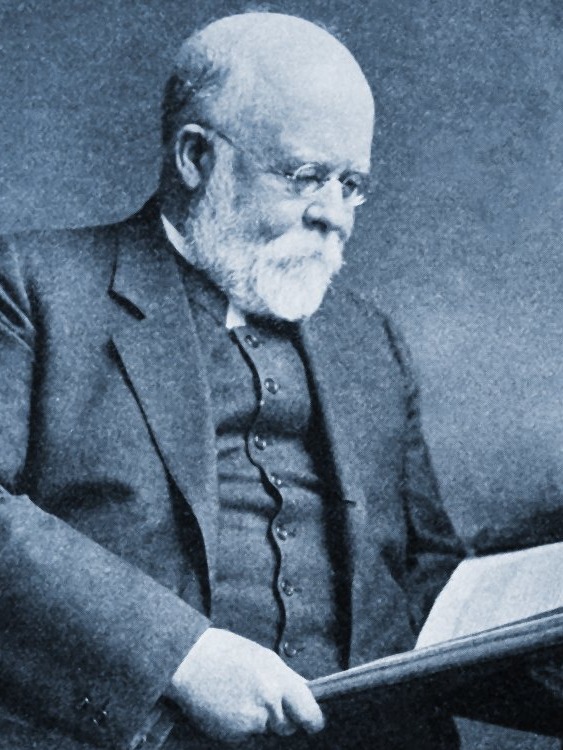
Duncan Black Macdonald (1863–1943)
Scottish-born scholar of Islam who taught at Hartford Theological Seminary in the United States.
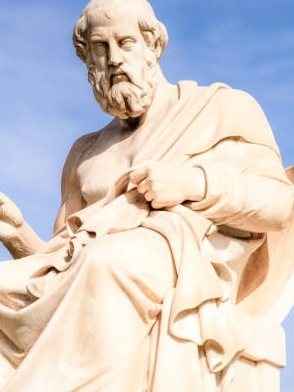
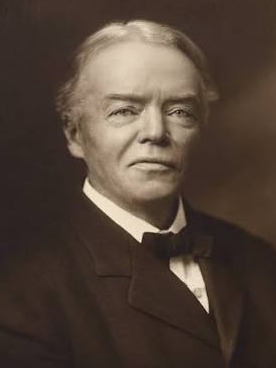
American idealist philosopher at Harvard.
II. The Ontological Spectrum · 8. Inner experience as knowledge
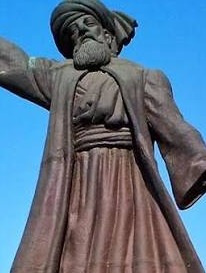
Born in the region of Balkh, Rumi settled in Konya, in Anatolia, as a jurist and preacher.
1. Religion and philosophy · 7. The Quran’s picture of the universe · 8. Inner experience as knowledge
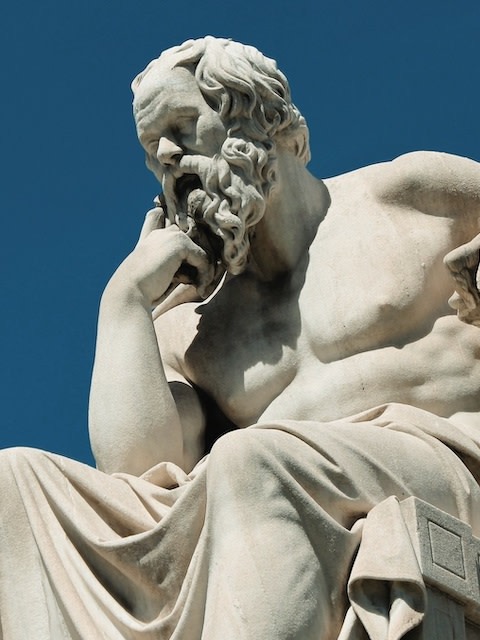
Athenian philosopher, remembered for turning philosophy away from speculation about nature and toward human conduct.
Plato · Aristotle · I. Sources of Knowledge · 2. The search for rational foundations
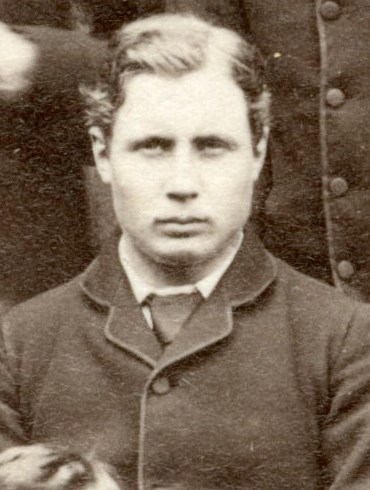
Alfred North Whitehead (1861–1947)
An English mathematician who spent the first part of his career at Cambridge, where Bertrand Russell was his student.